
3
编年史提纲:从宇宙诞生到信仰体系的形成
本组六部分信息图以宏观时间线,梳理从宇宙大爆炸、地球与生命形成,到人类迁徙、农业定居、城市文字、国家律法及宗教诞生的文明演进,提供清晰的编年参考。
Explore
Collection
3
本组六部分信息图以宏观时间线,梳理从宇宙大爆炸、地球与生命形成,到人类迁徙、农业定居、城市文字、国家律法及宗教诞生的文明演进,提供清晰的编年参考。
Explore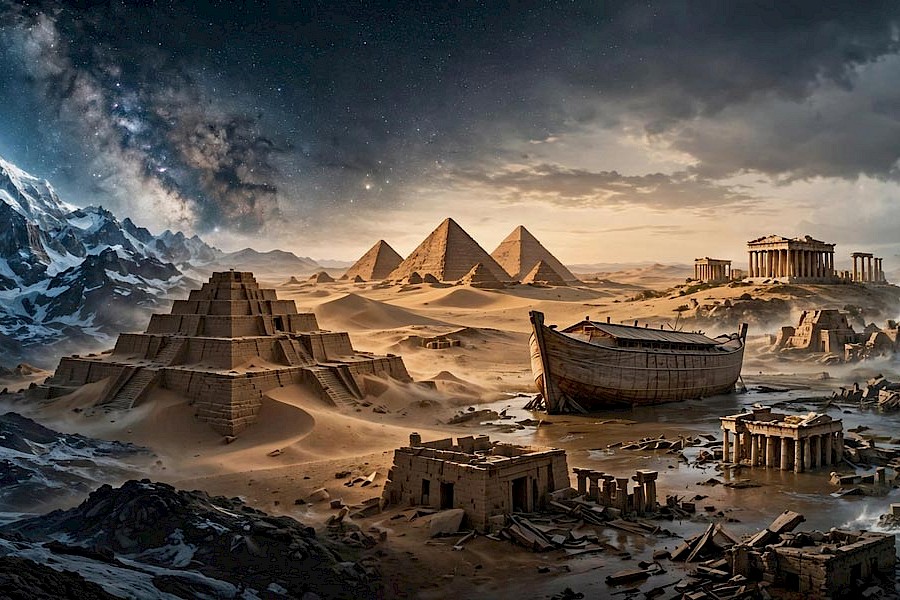
3
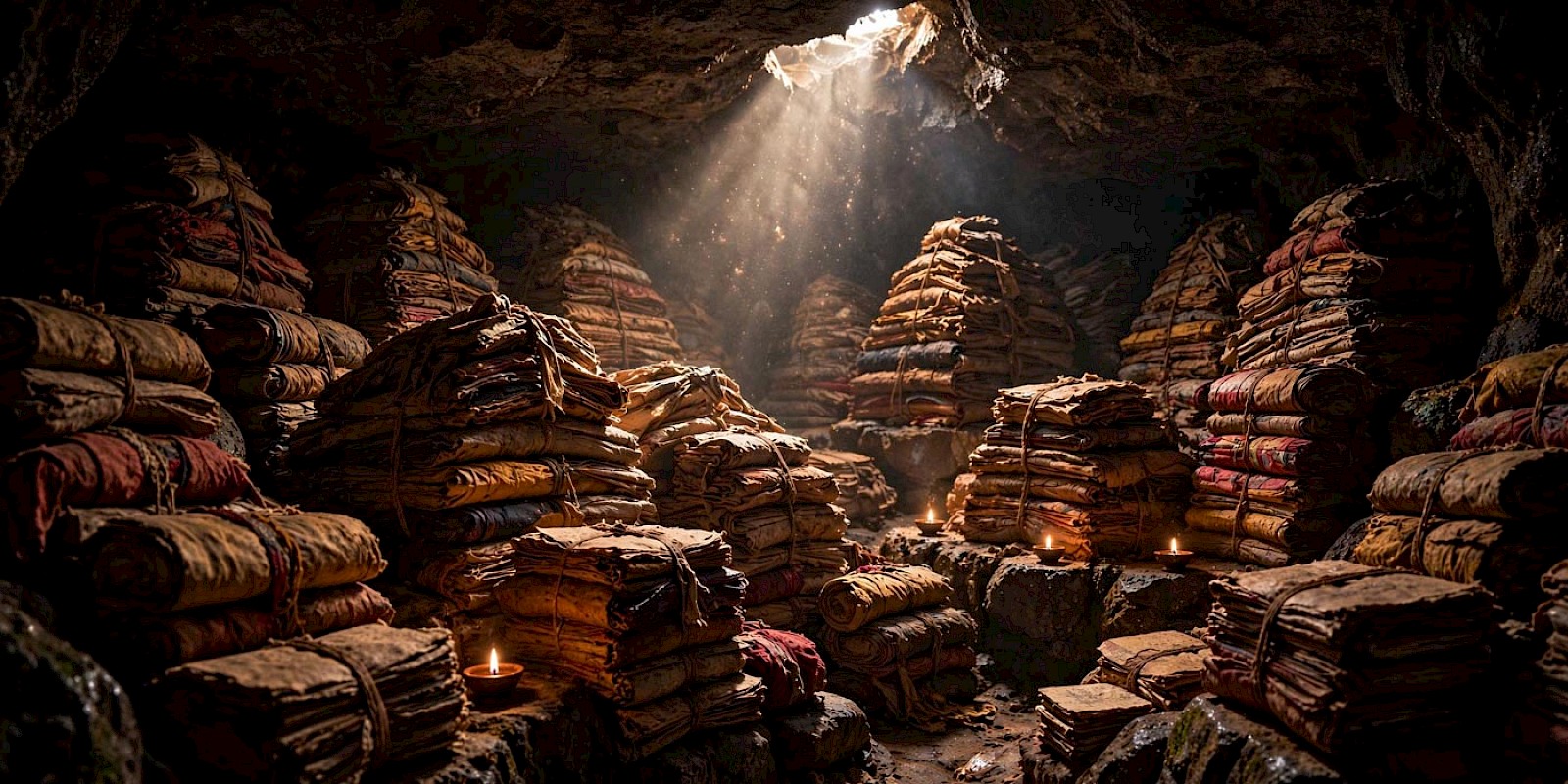
自本教辛饶降临(约前16017年)至玛雅木人,十四则古代神话按传说年代排列:神代黄金时代、大洪水、天谴之城三类母题,另附利莫里亚等三则现代建构的失落大陆传说。
Explore
1
ལོ་རྒྱུས་ཀྱི་གཞི་བཞག་དྲུག འཇིག་རྟེན་ཁམས་ཀྱི་ཆགས་ཚུལ་ནས་དད་པའི་ལམ་ལུགས་ཀྱི་གྲུབ་ཚུལ་བར། tibetanmyth.com དྲ་ཚིགས་ཀྱི་ཆེད་དུ་བརྩམས་པའི་རྩོམ་ཡིག །"ལོ་རྒྱུས་ཀྱི་གཞི་བཞག"ཞེས་པའི་དུམ་བུ་དྲུག་གི་རྒྱང་རིང་གི་དུས་རབས་ལ་གཞི་བཅོལ་ན…
Explore3
本研究从本教神圣传统、文献形成史与世界考古三种时间尺度,系统梳理顿巴辛饶·米沃切的生平、穆氏世系、子嗣、弟子、宗教成就及“辛年”纪年。同时对照约公元前16000年的全球考古环境,区分宗教纪年、后世文本叙事与可验证的历史证据,为理解本教祖师传统提供清晰而审慎的研究参考。
Explore1
"གཤེན་"ནི་བོན་གྱི་གཤེན་པོ་སྟེ། "གཤེན་ལོ་"ནི་བོན་གྱི་ལུགས་ཀྱི་དུས་ཚོད་དམ་པ་ཞིག་ཡིན། བོན་གྱི་བསྟན་རྩིས་ཀྱི་རྩིས་གཞི་གཙོ་བོ་ནི། གཤེན་ལོ་གཅིག་མི་ལོ་བརྒྱ་དང་མཉམ། དེས་ན་"ཚེ་ལོ་གཤེན་ལོ་བརྒྱད་ཅུ་རྩ་གཉིས་"ནི་མི་ལོར་བརྒྱད་སྟོང་གཉིས་བརྒྱ་དང་མཉམ། འདི་ནི་བོན་གྱི་བསྟན་རྩིས་ཀྱི་རྩིས་རྒྱུ་ཡོངས་རྫོགས་ཡིན། འོན་ཀྱང་ཁ་ཅིག་གིས་"བརྒྱད་ཅུ་རྩ་གཉིས་"མི་ལོར་བརྩིས་པ་ཡང་ཡོད། འདི་ནི་བཞེད་པ་མི་མཐུན་པའི་རྩ་བ་ཡིན།
Explore
3
内容提要: 天珠,藏语称 gzi,意为“光辉”,是青藏高原最具代表性的护身宝珠。本文共七节:一、名字;二、神话传说——天神饰物、虫化石、天降、莲师埋藏与格萨尔掘取等多种版本并存;三、考古与科学——蚀刻玛瑙工艺源于印度河流域,眼纹珠约出现于公元前2000–前1000年;四、主要用途——护身符、传家宝、药用、唐卡打磨器;五、相关珠类与现代仿品;六、学术按语;七、资料来源。本文严格区分口头传说与考古实证:传说为文学与宗教材料,不作信史;“纯天珠”的确切起源与定义至今未定。
Explore
2
The dzi bead — Tibetan gzi, “radiance” — is the most iconic protective amulet of the Tibetan plateau. This article has seven sections: (1) the name; (2) legends — the gods’ ornaments, petrified insects, sky-descent, Padmasambhava’s burial and Gesar’s unearthing, among other coexisting versions; (3) archaeology and science — etched-carnelian technology originating in the Indus Valley, eyed beads appearing ca. 2000–1000 BCE; (4) uses — amulet, heirloom, medicine, thangka burnisher; (5) related beads and imitations; (6) a scholarly note; (7) sources. Oral legend and archaeological evidence are kept strictly apart: myths are literary-religious material, not historical evidence, and the exact origin and definition of the “pure dzi” remain unsettled.
Explore3
本文述评两位本教研究学者:南卡诺布(1938–2018)以《gZi项链》《仲·德乌·苯》等六部著作提出象雄中心论,主张本教源于象雄、藏文承自象雄文字,以跨传统文献互证、自我批判著称;才让太(1958年生)专攻苯教文献与大藏经集成,主编《苯教研究论文选集》、合著《苯教史纲要》,兼及当代寺院信众调查。资料按原著、机构页、二手转引分类标注,未核实事项单列。
Explore2
This review covers two Bön scholars: Namkhai Norbu (1938–2018), whose six works — including The Necklace of gZi and Drung, Deu and Bön — advance a Zhangzhung-centered thesis (Bön originated in Zhangzhung; Tibetan script descends from Zhangzhung writing), noted for cross-tradition sourcing and a self-critical stance; and Cairangtai (b. 1958), a specialist in Bön literature and canon collation who edited Selected Papers on Bön Studies and co-authored Outline History of Bön, combining textual research with surveys of contemporary monasteries and adherents. Sources are categorized as original works, institutional pages, and secondhand citations; unverified items are listed separately.
Explore
1
སྙིང་བསྡུས། གཟི་ནི་བོད་མཐོ་སྒང་གི་སྲུང་བའི་ནོར་བུ་གྲགས་ཤོས་དེ་ཡིན། རྩོམ་འདི་ལ་དུམ་བུ་བདུན་ཡོད། ༡༽ མིང་། ༢༽ སྒྲུང་གཏམ། ལྷའི་རྒྱན་ཆ། འབུ་རྡོར་འགྱུར་བ། གནམ་ནས་བབས་པ། པདྨས་སྦས་པ་དང་གེ་སར་གྱིས་རྙེད་པ་སོགས་བྱུང་རབས་མི་འདྲ་བ་མང་། ༣༽ གནའ་རྫས་རིག་པ་དང་ཚན་རིག ། ༤༽ བེད་སྤྱོད་གཙོ་བོ། ༥༽ འབྲེལ་བའི་གཟི་རིགས་དང་དེང་རབས་བཟོ་བཅོས། ༦༽ རིག་པའི་མཆན་འགྲེལ། ༧༽ ཁུངས་བཅས་སོ། སྒྲུང་གཏམ་དང་གནའ་རྫས་དཔྱད་ཞིབ་གཉིས་སོ་སོར་ཕྱེ་ཡོད། སྒྲུང་གཏམ་ནི་རྩོམ་རིག་དང་དད་པའི་རྒྱུ་ཆ་ཙམ་ཡིན་པས་ལོ་རྒྱུས་ཀྱི་དཔང་རྟགས་སུ་མི་རུང་། “གཟི་དག་པ་”ཞེས་པའི་འབྱུང་ཁུངས་ངེས་པ་དང་མཚན་ཉིད་བརྟན་པོའི་སྐོར་ད་དུང་གཏན་འབེབས་བྱུང་མེད།
Explore
1
སྙིང་བསྡུས། རྩོམ་འདིས་བོད་ཀྱི་བྱ་དམ་པ་"ཁྱུང་"ལྟེ་བར་བྱས་ཏེ་འཛམ་གླིང་གི་བྱ་ཆེན་དམ་པ་རྣམས་དཔྱད་བསྡུར་བྱས་ཡོད། དུམ་བུ་དང་པོས་ཁྱུང་གི་རྣམ་པ། (རྭ་ཅན་གྱི་བྱ།) བོན་ནང་མེའི་ཁམས་ཀྱི་མཚོན་བྱེད། ཞང་ཞུང་གི་དཔང་རྟགས། རླུང་རྟའི་ཕྱི་དར་གྱི་སྲོལ་བཞིའི་གྲས་སུ་གྱུར་ཚུལ་བཅས་བརྗོད་ཅིང་"གདོད་མའི་བྱ་སྔོན་དུ་ཡོད་པ་དང་བསྒྱུར་སྐབས་ག་རུ་ཌ་དང་འདྲེས་པ་"ཞེས་པའི་དཔྱད་གཞི་བཏོན་ཡོད། དུམ་བུ་གཉིས་པས་རྒྱ་གར་གྱི་ག་རུ་ཌའི་འབྱུང་ཁུངས་དང་ཁྱབ་ཚུལ་བརྗོད། དུམ་བུ་གསུམ་པས་ཤེས་རིག་གཞན་གྱི་བྱ་དམ་པ་རྣམས་ངོ་སྤྲོད་བྱས། དུམ་བུ་བཞི་པས་མཚུངས་ཆོས་དང་ཁྱད་པར་དཔྱད་བསྡུར་བྱས་ཏེ་བརྒྱུད་པའི་ལྕགས་སྒྲོགས་གསུམ་གཏན་འབེབས་བྱས་ཤིང་གཞན་དག་རང་སྐྱེས་ཀྱི་འདྲ་མཚུངས་སུ་བཞག །མཇུག་ཏུ་དེང་རབས་ཀྱི་"ལྕགས་ཀྱི་འཕུར་བའི་ཁྱུང་"ཞེས་པའི་བཤད་པའི་ནོར་འཁྲུལ་བསལ་ཞིང་དཔྱད་མ་ཐུབ་པའི་ཆ་དང་ཁུངས་དཀར་ཆག་བཅས་བཞག་ཡོད།
Explore2
Centered on the Tibetan khyung (ཁྱུང་), this study compares the great sacred birds of world civilizations. Part 1 examines the khyung — its horned-eagle image, fire-element symbolism in Bön, the Zhangzhung evidence chain, and its place among the Four Dignities of the wind-horse flag — proposing an "indigenous bird pre-existed, merged with garuḍa in translation" model. Part 2 traces Indian garuḍa from Vedic Garutman to Viṣṇu's mount and foe of the nāgas, culminating in Dapeng Jinchi Mingwang, the clearest fusion specimen. Part 3 surveys other sacred birds: Zhuangzi's peng, the fenghuang, Simurgh, phoenix and Bennu, Thunderbird, Roc, Firebird, and Anzu. Part 4 compares shared motifs and functional differences, verifying three transmission chains (Simurgh→rukh→Roc, Garuḍa→Golden-Winged Great Peng, Bennu→phoenix) while treating the rest as independent convergence. Includes a correction of the modern "metallic flying khyung" claim, five research gaps, and a source list.
Explore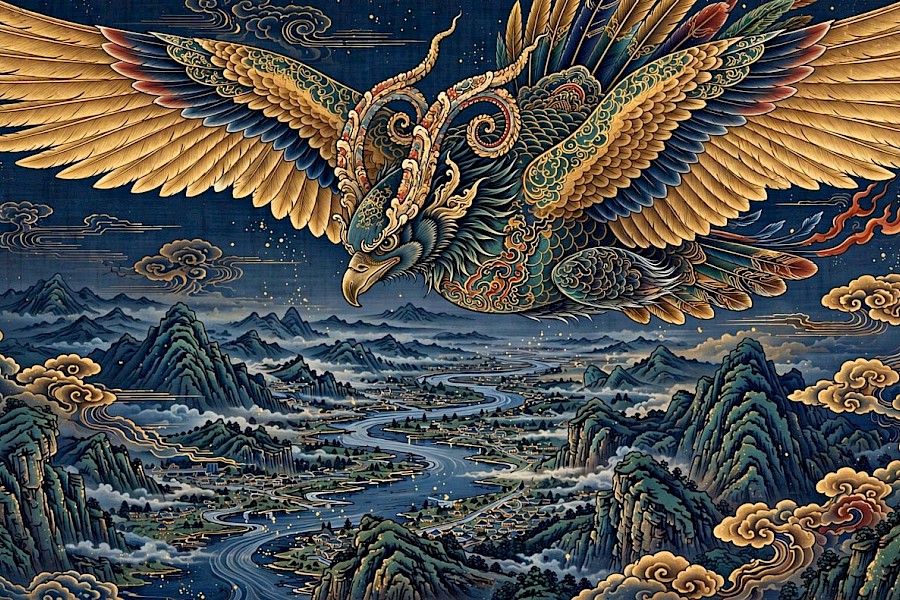
3
内容提要: 本文以藏族神鸟"琼"(ཁྱུང་ khyung)为中心,对世界各文明的大鹏神鸟做比较研究。第一部分考"琼":有角神鹰形象、苯教火元素象征、象雄起源证据链、风马旗四瑞之一,提出"本土先存、译经叠合"模型;第二部分述印度迦楼罗(garuḍa):从吠陀 Garutman 到毗湿奴坐骑、与那伽世仇,再到大鹏金翅明王这一最清晰的融合例证;第三部分列其他文明神鸟:庄子大鹏、凤凰、西摩格、不死鸟与本努鸟、雷鸟、Roc、火鸟、安祖鸟;第四部分比较共同母题与功能差异,确认三条有实证的传播链(Simurgh→rukh→Roc、Garuḍa→金翅大鹏、Bennu→phoenix),其余多为独立趋同。附现代"金属飞琼"说的辨正、五项证据缺口与来源清单。
Explore
2
A Chronicle in Six Parts: From the Birth of the Universe to the Formation of Belief Systems An article prepared for tibetanmyth.com, based on the six-part macro-timeline of the Chronicle Outline. Written: October 2026.R…
Explore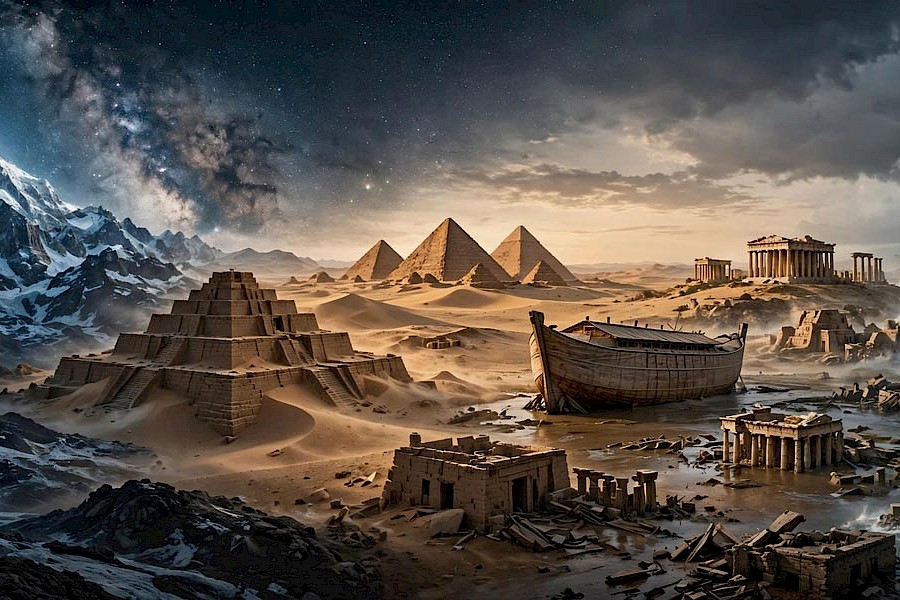
1
གནའ་བོའི་སྒྲུང་གཏམ། (སྒྲུང་གི་དུས་རབས་ཀྱི་གོ་རིམ་ལྟར།) tibetanmyth.com དྲ་ཚིགས་ཀྱི་ཆེད་དུ་བརྩམས་པའི་རྩོམ་ཡིག །"གནའ་བོའི་སྒྲུང་གཏམ། (སྒྲུང་གི་དུས་རབས་ཀྱི་གོ་རིམ་ལྟར།)"ཞེས་པའི་རྩོམ་འགོད་ལས་རྒྱས་པར་བྲིས། བསྒྲིགས་ཚེས། ༢༠༢༦ …
Explore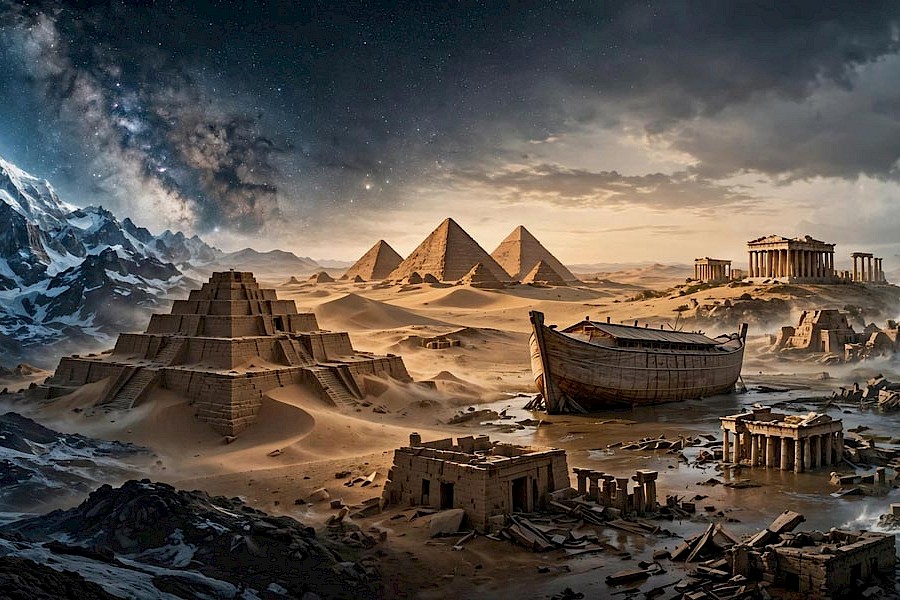
བོད་ཡིག་ རྩོམ་འདིར་གནའ་བོའི་སྒྲུང་གཏམ་ ༡༤ སྒྲུང་གི་དུས་ཚོད་ཀྱི་རིམ་པ་ལྟར་སྔ་ཕྱིར་བཀོད་ཡོད། སྟོན་པ་གཤེན་རབ་མི་བོ་ཁྱུང་ལུང་དངུལ་མཁར་དུ་བྱོན་པ་(བོན་གྱི་གནའ་བོའི་བགྲང་ཚུལ་ལྟར་སྤྱི་ལོ་སྔོན་གྱི་ ༡༦༠༡༧ ལོ།)ནས་འགོ་བརྩམས་ཏེ། …
Explore
2
The Epic of King Gesar: Origins, Transmission, and Comparative Study An article prepared for tibetanmyth.com. Compiled: October 2026 (research notes compiled October 2, 2026).Reading note: this article keeps three layer…
Explore1
གླིང་གི་གེ་སར་རྒྱལ་པོ། འབྱུང་ཁུངས་དང་བརྒྱུད་པ། དཔྱད་བསྡུར་ཞིབ་འཇུག tibetanmyth.com དྲ་ཚིགས་ཀྱི་ཆེད་དུ་བརྩམས་པའི་རྩོམ་ཡིག །བསྒྲིགས་ཚེས། ༢༠༢༦ ཟླ་ ༡༠ ཚེས་ ༢།ཀློག་པའི་སྔོན་འགྲོ། རྩོམ་འདིར་རྒྱུ་ཆ་གསུམ་དུ་ཕྱེ་ནས་བྲིས་ཡོད། [སྒ…
Explore3
格萨尔王传:来历、传承与比较研究 本文为 tibetanmyth.com 网站文章,根据2026年10月《藏族〈格萨尔王传〉:来历、传承与比较研究报告》改写。撰写日期:2026年10月。>阅读说明:本文严格区分三层材料——【神话/传说】指…
Explore

འཕོ་བ། གྲོང་འཇུག འཕོ་བ་ཆེན་པོ། འཇའ་ལུས། ཡང་སྲིད་བླ་མ། Phowa, drongjuk, phowa chenpo study. 破瓦、夺舍、大迁转、虹光身、活佛转世比较研究。 Phowa, drongjuk, phowa chenpo study.
Explore2
Each summary ends with a link to the trilingual website (Tibetan, English, and Chinese). Please click the link to read the full research paper.
ExploreEach summary ends with a link to the trilingual website (Tibetan, English, and Chinese). Please click the link to read the full research paper.
ExploreEach summary ends with a link to the trilingual website (Tibetan, English, and Chinese). Please click the link to read the full research paper.
Explore